







.jpg)
.jpg)

Architectural Shingle Roof Review for Ohio Homes
A roof can look fine from the driveway and still be one hard Northeast Ohio storm away from a costly leak. This architectural shingle roof review gives homeowners a clear look at what these shingles do well, where they fall short, and whether they are the right investment for a Cleveland-area home.
Architectural shingles are one of the most common replacement roofing choices for good reason. They offer a stronger appearance and better performance than basic three-tab shingles without moving into the price range of metal, slate, or tile. But a quality roof is never just about the shingle package. Installation, ventilation, flashing, decking condition, and storm exposure all matter.
What Is an Architectural Shingle Roof?
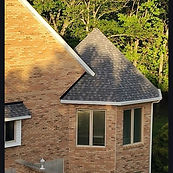
Architectural shingles are also called dimensional or laminated shingles. Unlike flat three-tab shingles, they are built with multiple layers of asphalt-coated material. That layered construction gives the roof more depth, texture, and a heavier profile.
From the street, architectural shingles create more shadow lines and a more substantial look. Some styles are designed to resemble natural wood shake or slate. For homeowners preparing to sell, that added curb appeal can make a noticeable difference. For homeowners planning to stay, the main value is usually durability.
These shingles are available in a broad range of colors, from traditional weathered wood and charcoal to deep blacks and blended grays. The best color is not always the trendiest one. It should work with the siding, brick, stone, gutters, and overall character of the home.
Architectural Shingle Roof Review: The Real Benefits
The biggest advantage is that architectural shingles provide a meaningful upgrade over entry-level three-tab roofing at a reasonable cost. Their thicker, layered design generally handles wind better and has greater resistance to everyday wear.
For Northeast Ohio homes, that matters. Roofs here regularly face freeze-thaw cycles, wind-driven rain, heavy snow, ice buildup, spring storms, and summer heat. A properly selected and professionally installed architectural shingle system is built to manage these conditions better than a basic shingle roof.
Homeowners also appreciate the appearance. A roof makes up a large portion of what people see from the curb. Architectural shingles can make an older home look sharper and more finished without requiring an unusually expensive roofing material.
Manufacturer warranties are another benefit, although homeowners should read them carefully. A warranty can provide useful protection, but it does not replace correct installation or routine maintenance. It may also have specific requirements related to ventilation, accessory products, registration, and the type of damage covered.
The Trade-Offs Homeowners Should Know
Architectural shingles are not automatically the best option for every roof. They cost more than three-tab shingles, and premium designer architectural shingles can approach the cost of certain metal roofing systems. If budget is the only deciding factor, a basic shingle may be tempting. The question is whether the upfront savings justify a potentially shorter service life and less substantial appearance.
They are also not immune to storm damage. High winds can lift or crease shingles. Hail can bruise the shingle mat. Ice dams can force water beneath roofing materials when attic ventilation and insulation are not doing their job. A strong shingle is only one part of a complete roofing system.
Color can be another practical consideration. Very dark shingles may absorb more heat, while lighter colors can help reduce heat gain. In Northeast Ohio, the difference is not usually the only factor in energy performance. Proper attic insulation and ventilation often have a much larger impact on comfort and utility costs.
How Long Do Architectural Shingles Last?
Many architectural shingle roofs last roughly 20 to 30 years, and some can last longer under favorable conditions. That range is useful, but it should not be treated as a promise. Roof lifespan depends on the shingle grade, installation quality, roof pitch, sunlight, airflow, tree cover, maintenance history, and storm activity.
A roof installed correctly on a well-ventilated home may perform well for decades. The same shingles can age much faster if they are installed over damaged decking, paired with poor ventilation, or repeatedly exposed to severe wind and hail.
Watch for warning signs before waiting for an active leak. Missing or lifted shingles, granules collecting in gutters, cracked sealant around flashing, sagging roof areas, rusted roof penetrations, and water stains in the attic all deserve attention. A small repair today can prevent a much larger interior restoration later.
Installation Quality Decides the Outcome
The shingle itself gets most of the attention, but the details underneath are what protect the home. A reliable roof replacement should begin with an inspection of the roof deck. Soft, rotted, or delaminated wood cannot provide a dependable base for new shingles.
Water barriers are especially important around eaves, valleys, chimneys, skylights, and other vulnerable areas. Flashing must be installed and integrated correctly so water is directed away from the home instead of behind the roofing materials. Nails must be placed accurately, not driven too high, too low, or through the shingle surface.
Ventilation also deserves a serious conversation. An attic that traps moisture and heat can shorten roof life, contribute to mold concerns, and make ice dam problems worse. The right ventilation plan depends on the home’s existing intake, exhaust, insulation, and roof design. There is no one-size-fits-all fix.
This is why the lowest estimate is not always the best value. Two proposals may list architectural shingles, yet provide very different levels of preparation, flashing work, ventilation improvements, cleanup, and workmanship protection. Compare the complete system, not just the headline price.
Cost Expectations for Northeast Ohio Roofs
Roof replacement cost varies widely because no two homes are exactly alike. Roof size, pitch, layers being removed, deck repairs, chimney flashing, valleys, accessibility, ventilation needs, and the selected shingle line all affect the final price.
Architectural shingles usually sit in the middle of the residential roofing market. They cost more than basic three-tab shingles but are often far more accessible than premium metal, cedar, slate, or synthetic roofing. For many homeowners, they offer the strongest balance of appearance, weather resistance, and long-term value.
Be cautious with estimates that seem dramatically lower than others. A low price may leave out tear-off, permit costs, decking replacement allowances, proper underlayment, drip edge, or cleanup. Ask what is included, what could create an added charge, and how the contractor handles concealed damage discovered after tear-off.
If a storm caused the damage, document what you see and arrange a professional assessment promptly. Best Home Exteriors & Consulting provides storm damage consulting to help Northeast Ohio homeowners understand the condition of their exterior and make an informed next move.
Choosing the Right Shingle Style and Color
Start with the home, not a sample board. A colonial, ranch, craftsman, brick home, or house with bold siding may call for a different roof color and profile. Gray and black shingles often provide a clean, classic look. Brown and weathered blends can complement warm brick, tan siding, and natural stone.
Consider the neighborhood as well. You do not need to copy nearby homes, but a roof should feel appropriate for the setting. A dramatic color may look great on a small sample and feel overwhelming once it covers the entire roof.
Also ask about algae resistance, wind ratings, impact resistance, and warranty options for the specific product being quoted. These features vary by manufacturer and shingle line. A contractor should be able to explain the practical value of each upgrade without pressuring you into features your home does not need.
Is an Architectural Shingle Roof Worth It?
For most Northeast Ohio homeowners, yes. Architectural shingles are a proven choice for homes that need dependable protection, stronger curb appeal, and a sensible price point. They are particularly worthwhile when replacing an aging three-tab roof, preparing a home for sale, or repairing storm-related damage that makes a full replacement the smarter long-term choice.
The right decision still depends on your roof’s condition, budget, plans for the property, and the workmanship behind the installation. Before choosing a color or signing an estimate, have the full roof system evaluated. A straight answer about what your home needs is the best place to start.


Comments