







.jpg)
.jpg)
Are Gutter Guards Worth It for Ohio Homes?
A gutter overflowing beside your foundation during a Cleveland downpour is more than an annoyance. It can soak landscaping, stain siding, flood a basement, and put extra stress on the roof edge. So, are gutter guards worth it? For many Northeast Ohio homeowners, yes - but only when the guard, gutter system, and installation are right for the home.
Gutter guards are not a magic shield that eliminates maintenance forever. They are a practical upgrade that can reduce clogs, cut down on dangerous ladder work, and help gutters move water where it belongs. The value comes down to your tree cover, roof design, existing gutter condition, and the quality of the product installed.
Are Gutter Guards Worth It in Northeast Ohio?
Northeast Ohio gives gutters a tough job. Spring pollen and maple seeds, summer storms, fall leaves, winter snow, ice, and wind-driven rain all hit the same system. A home with mature trees may need gutter cleaning several times a year, especially when leaves collect in valleys or near downspouts.
A well-installed gutter guard keeps most large debris out while allowing rainwater to enter the gutter channel. That means less wet buildup, fewer blocked downspouts, and a lower chance of water spilling over the gutter during a storm. For homeowners who are tired of repeated cleanings or who should not be climbing a ladder, that is a meaningful benefit.
The answer is less clear for a home with little tree cover, a simple roofline, and easy ground-level access. If your gutters stay clean with one quick annual service, guards may take longer to pay for themselves. They can still offer protection, but the savings and convenience may not justify the upfront investment.
The right question is not whether every house needs guards. It is whether your home has a recurring water-management problem that guards can solve.
What Gutter Guards Actually Do
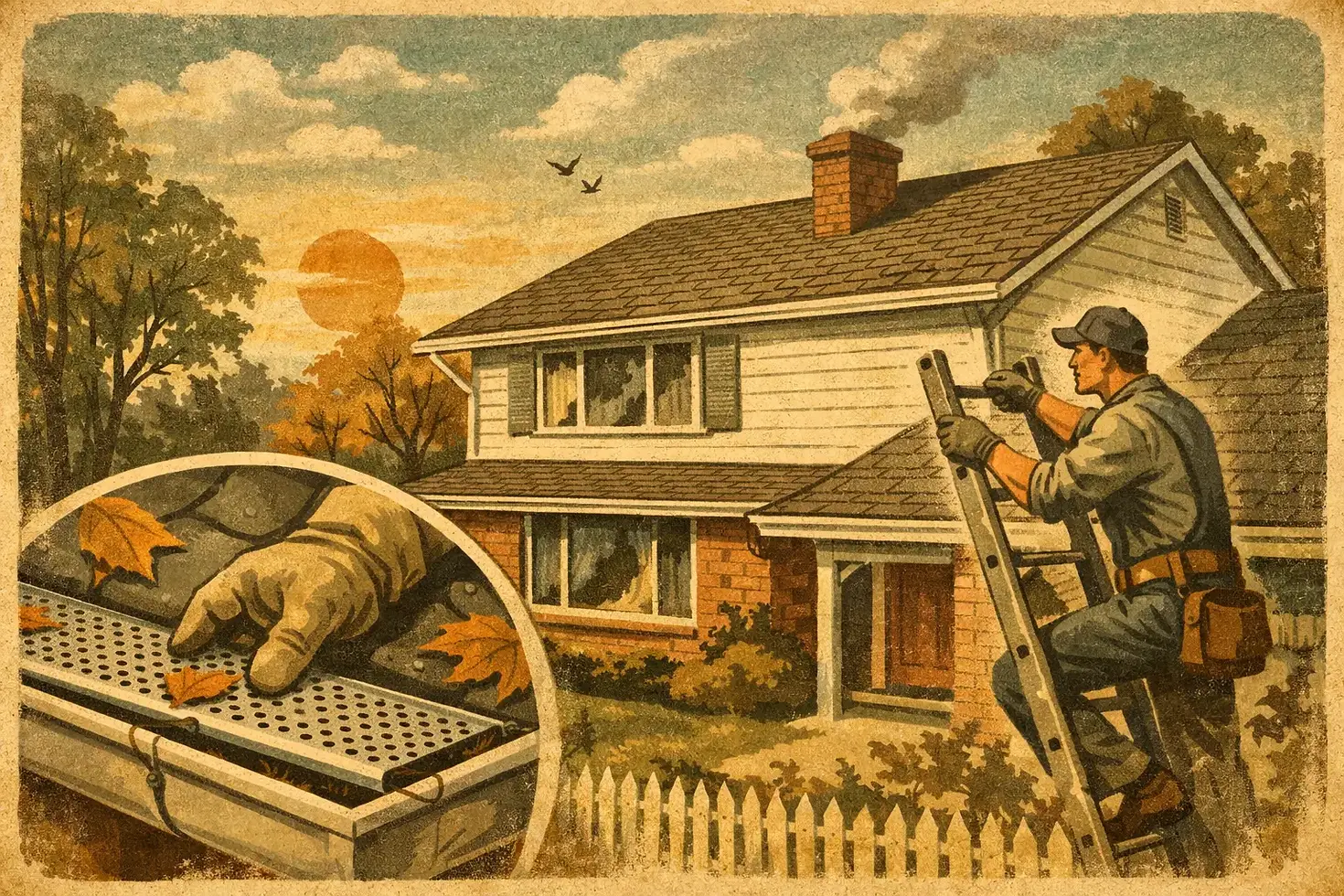
Gutter guards sit over or inside the gutter opening. Their job is to separate water from leaves, twigs, roof grit, seed pods, and other debris before it enters the gutter. Different styles do this in different ways, including mesh screens, perforated covers, foam inserts, brush-style inserts, and surface-tension covers.
Quality micro-mesh guards are often the strongest fit for homes surrounded by trees because they block small debris as well as large leaves. Larger-hole screens can work well for standard leaf protection, but fine particles, pine needles, and shingle granules may still get through. Foam and brush inserts are usually less expensive upfront, yet they can collect debris within the gutter and may require more frequent replacement.
No guard can promise that your gutters will never need attention again. Wind can leave debris on top of the guard. Roof valleys can dump a concentrated stream of water and leaves into one spot. Fine sediment can build up over time. A dependable system reduces maintenance - it does not erase it.
The benefits homeowners notice first
The biggest advantage is fewer clogs. When downspouts stay open, rainwater can move away from the roofline and foundation instead of overflowing onto the ground below. This helps protect fascia boards, soffits, siding, mulch beds, walkways, and basement walls.
Guards can also reduce the frequency of gutter cleaning. That is especially valuable for two-story homes, steep roofs, and homes where landscaping makes ladder placement difficult. Less ladder use means less exposure to one of the most common household injury risks.
They may also help discourage pests. Wet leaf piles in an open gutter can become a hiding place for insects, birds, and rodents. Keeping the channel clearer makes the area less inviting, although guards are not a complete pest-control solution.
Finally, a cleaner gutter system generally looks better. Water stains running down siding and sagging gutters packed with debris send the wrong message about an otherwise well-kept home.
The Limits You Should Know Before Buying
The wrong gutter guard can create new frustrations. Cheap covers may lift in high winds, bend under snow loads, or allow water to shoot past the gutter during heavy rain. Products that sit loosely inside the gutter can trap decomposing debris where it is hardest to remove.
Installation matters just as much as the guard itself. A guard should fit the roof edge and gutter profile without interfering with shingles, creating gaps, or directing water behind the gutter. Improper attachment can contribute to roof-edge moisture issues, so homeowners should be careful about anyone offering a one-size-fits-all installation.
Guards also cannot fix failing gutters. If your system is undersized, improperly pitched, pulling away from the fascia, leaking at seams, or missing properly placed downspouts, covering it will not solve the core problem. Water needs a clear path from the roof to a controlled discharge point away from the foundation.
For homes with heavy pine needles, helicopters, oak tassels, or a lot of roof grit, plan for periodic inspection. A professional can brush off the top surface, check the downspouts, and confirm that water is flowing correctly before seasonal storms arrive.
When Gutter Guards Make the Most Sense
Guards tend to deliver the best value when cleaning is a repeated chore rather than a once-a-year task. They are particularly worthwhile for homes with mature trees close to the roof, multiple stories, steep pitches, long gutter runs, or difficult access around decks and landscaping.
They are also a smart consideration after a gutter replacement. Installing guards while the system is new allows the contractor to match the guard to the gutter size, roofline, and drainage plan. It is usually more efficient than adding a mismatched product later.
Homeowners with past water issues should look at the whole exterior picture. If you have seen overflowing corners, damp basement walls, eroded mulch, peeling paint near the roofline, or recurring ice near entryways, gutters deserve a closer inspection. The fix may involve guards, but it could also require larger gutters, better downspout placement, added drainage extensions, or fascia repair.
Situations where you may want to wait
If a roof replacement is coming soon, it often makes sense to coordinate the gutter guard decision with that project. Removing and reinstalling guards can add cost, and a roofing project may reveal fascia or drainage needs that should be addressed first.
Likewise, do not spend on guards before correcting major gutter damage. A properly designed new gutter system will outperform an old, sagging system with premium covers added on top.
Choosing a Guard Built for Real Weather
Focus on durable materials, a secure fastening method, and a product suited to the debris around your property. Stainless steel micro-mesh and heavy-gauge aluminum are common choices because they resist rust and hold up better than flimsy plastic options. Ask how the guard handles heavy rainfall, whether it is compatible with your shingles, and how it performs around roof valleys.
Do not make the decision based on price alone. The lowest bid may leave you with thin material, poor support, or an installer who never evaluates the existing gutters. A better estimate should address gutter condition, pitch, hangers, downspout capacity, roof drainage patterns, and the debris challenges specific to your yard.
Best Home Exteriors & Consulting approaches gutter work as part of your home’s full water-defense system, not as a quick add-on. For Northeast Ohio homeowners, that means looking beyond the cover itself and making sure the entire system is ready for the weather that comes next.
A Better Way to Decide
Walk around your home after the next hard rain. Look for water pouring over the front edge, runoff behind gutters, dripping seams, washed-out mulch, or standing water near the foundation. Then look up for overhanging limbs, leaf-heavy valleys, and areas where debris consistently gathers.
If those problems show up more than once, gutter guards may be a cost-effective way to reduce maintenance and protect the exterior systems you have already invested in. If the gutters are clean, sound, and easy to service, a regular maintenance plan may be the better value for now.
The goal is not to buy a product because it sounds convenient. The goal is to keep rainwater moving safely away from your roof, siding, and foundation - season after season.


Comments