




.jpg)
.jpg)

Best Roofing Materials for Cold Climates
A Northeast Ohio roof does not get an easy life. Between lake-effect snow, freeze-thaw swings, ice dams, wind, and heavy spring storms, the best roofing materials for cold climates need to do more than just look good from the street. They need to shed snow, resist cracking, hold up under moisture, and protect your home without pushing your budget past the breaking point.
That is where a lot of homeowners get stuck. The "best" material is not always the most expensive one, and the cheapest option can cost more over time if it fails early. If you are replacing a roof in Cleveland or the surrounding area, the right choice comes down to weather performance, lifespan, maintenance, and how your specific home handles winter.
What cold weather really does to a roof
Cold climates put roofing systems under constant stress. Snow loads add weight. Ice can back up under shingles near the eaves. Repeated freezing and thawing causes expansion and contraction, which can expose weak spots fast. Add high winds and sudden temperature swings, and even a decent roof can start showing problems sooner than expected.
That is why material choice matters so much in this region. A roof in Northeast Ohio has to manage moisture as well as temperature. If a product looks good on paper but does not handle ice, wind, and water well in real-world conditions, it is not the right fit.
Best roofing materials for cold climates: what works best
Several materials can perform well in cold weather, but they do not all offer the same value. Some are better for long-term durability. Others are stronger budget choices. The key is matching the product to the home and to the homeowner's priorities.
Asphalt shingles
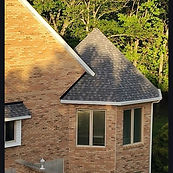
For many homes, architectural asphalt shingles are still the most practical answer. They are affordable, widely available, and when installed correctly, they offer solid protection against snow, wind, and normal freeze-thaw cycles. Higher-quality shingles also come with better wind ratings and improved granule retention, which matters when harsh weather hits year after year.
This option makes sense for homeowners who want dependable performance without stepping into premium-material pricing. It is also easier and less expensive to repair than many other systems. If a section gets damaged in a storm, repairs are usually more straightforward.
The trade-off is lifespan. Even a good asphalt roof generally will not last as long as metal or slate. Performance also depends heavily on ventilation, underlayment, flashing, and installation quality. In cold climates, asphalt shingles can be a smart choice, but only when the full roofing system is built correctly.
Metal roofing
Metal roofing is one of the strongest performers in cold-weather regions. Snow tends to slide off more easily, which can reduce buildup. Metal also resists moisture well and does not crack the way some materials can during repeated freeze-thaw cycles. For homeowners focused on long-term durability, this is a serious contender.
It also brings energy-efficiency benefits. Metal can reflect solar heat, and when paired with proper insulation and ventilation, it can support year-round comfort. That matters in a climate where homes deal with both deep winter cold and hot, humid summers.
Still, metal is not the right answer for every house. Upfront cost is higher than asphalt, and installation has to be precise. Poor fastener placement, bad flashing details, or sloppy trim work can create expensive issues. Snow shedding can also be too aggressive on some rooflines, so features like snow guards may be needed.
Slate roofing
Slate is one of the most durable roofing materials available, and it performs exceptionally well in cold climates when installed on a structure that can support the weight. It resists moisture, handles temperature swings well, and offers a lifespan that can outlast most other options by decades.
For the right home, slate is a premium upgrade that brings both performance and curb appeal. It is especially attractive on older or higher-end homes where architectural style matters.
The challenge is cost and structural demand. Slate is heavy, expensive, and requires specialized installation. Repairs are also more specialized. For most value-conscious homeowners, it is not the first recommendation, but for those planning to stay long-term and invest in top-tier durability, it is hard to beat.
Synthetic roofing materials
Synthetic slate and synthetic shake products have become more common for homeowners who want the appearance of premium roofing without the same weight or price tag. Some of these products are engineered to resist impact, moisture, and temperature extremes, which makes them worth considering in colder regions.
This category can be appealing because it offers design flexibility and lower structural demands than natural slate. Some products are also easier to install and maintain.
But this is a material where quality varies. Not every synthetic roof performs the same way, and not every product has the same long-term track record. If you are considering synthetic materials, it is worth looking closely at warranty support, manufacturer reputation, and installer experience.
Which roofing material is best for Northeast Ohio homes?
For most homeowners in this market, architectural asphalt shingles offer the best balance of cost, protection, and appearance. They are practical, proven, and well-suited for the kinds of homes common across Northeast Ohio neighborhoods.
Metal roofing is often the stronger long-term play if budget allows and if the home is a good fit for the system. It is especially attractive for homeowners who want lower maintenance and stronger resistance to snow and moisture.
Slate and synthetic products can absolutely work, but they tend to fit more specific budgets, home styles, and long-term ownership plans. The best material is not just about cold-climate performance. It is about what gives your home the best protection and value over time.
The material matters, but the system matters more
A lot of roofing problems blamed on materials are really installation problems. Ice dams, leaks, premature wear, and blown-off sections often trace back to weak ventilation, poor flashing, bad decking, or shortcuts with underlayment.
In cold weather, that full system matters. Proper attic ventilation helps reduce uneven roof temperatures. Ice and water protection at vulnerable areas helps defend against backup and infiltration. Flashing around chimneys, valleys, and roof penetrations needs to be done right the first time.
That is why choosing a contractor is just as important as choosing a material. A good product installed poorly will not perform like it should. A strong roofing system, built with the right details for this climate, gives you the protection you are actually paying for.
What homeowners should weigh before replacing a roof
Before making a final decision, think about how long you plan to stay in the home, what your roof pitch is like, whether your house has had ice dam issues before, and how much maintenance you are comfortable with. A steep roof may handle snow differently than a lower-slope design. An older home may have structural considerations that affect material choice.
Budget matters too, and there is nothing wrong with making a practical decision. A well-installed asphalt roof can be the right move for many families. What matters is avoiding false economy. Saving money upfront is not a win if the roof struggles through the next few Ohio winters.
If your roof has storm damage, missing shingles, chronic leaks, or visible aging, now is the time to act before small issues turn into interior damage and higher repair costs. Homeowners in this region need roofs built for real winter conditions, not just basic coverage.
At Best Home Exteriors & Consulting, that is exactly how we look at it - not just what roof looks good today, but what roof will keep protecting your home when the next round of snow, wind, and ice rolls through.
The right roof should give you confidence when the forecast turns ugly, and that kind of protection is always worth choosing carefully.


Comments