







.jpg)
.jpg)
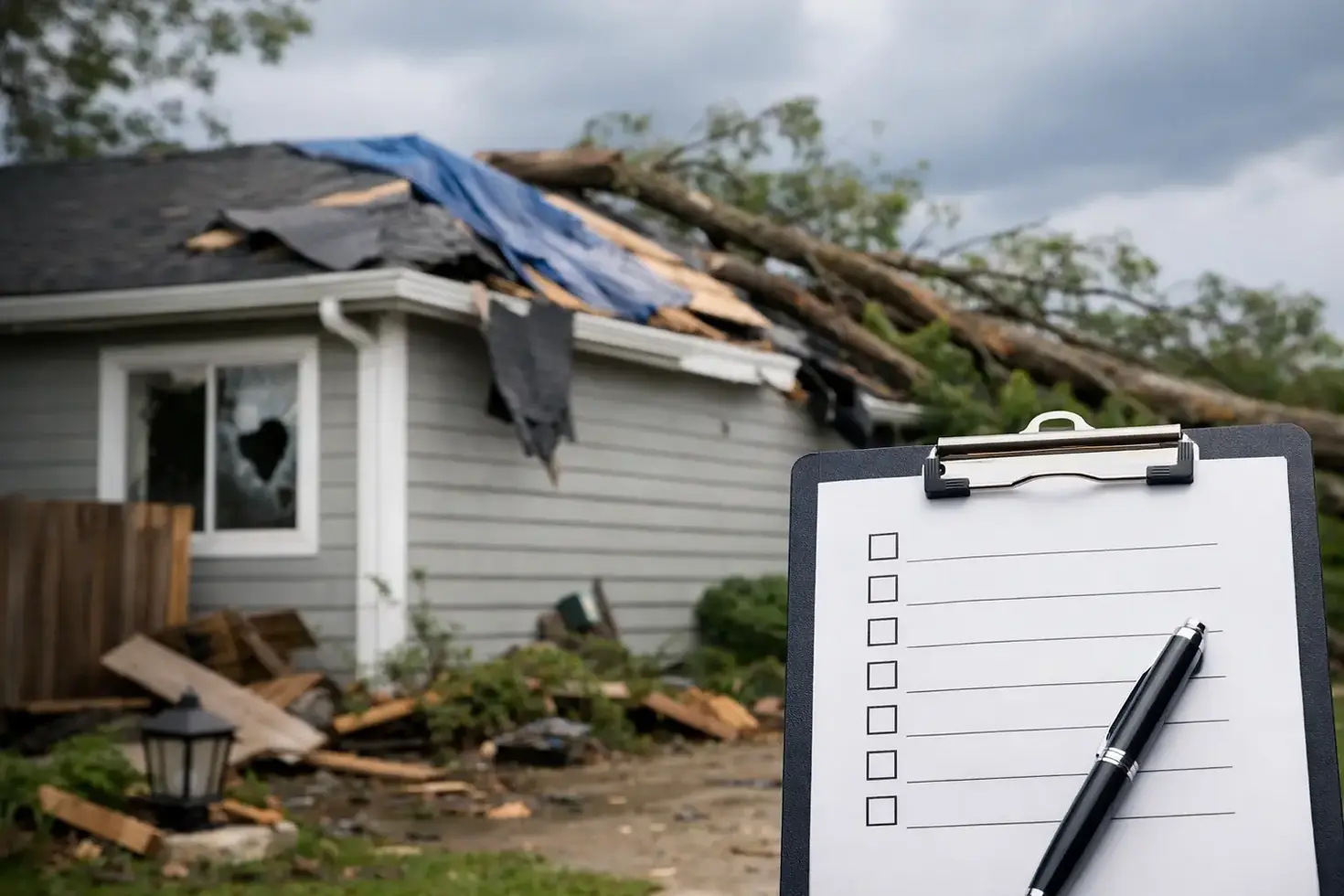
Home Exterior Storm Damage Checklist
A hard Northeast Ohio storm can move through fast, but the damage it leaves behind does not always announce itself right away. A few lifted shingles, a loose piece of siding, or gutters pulled out of line can turn into leaks, rot, and bigger repair bills if they are missed. That is why every homeowner needs a clear home exterior storm damage checklist after high winds, hail, or heavy rain.
The goal is not to climb your roof or play contractor. The goal is to catch warning signs early, document what you see, and make smart decisions before small damage becomes major structural trouble. In this region, where snow, wind, rain, and temperature swings all put pressure on your exterior, a careful inspection matters.
When to use a home exterior storm damage checklist
Use this checklist after any storm with strong wind, hail, heavy rain, fallen branches, or visible debris in your yard. You should also check your home if nearby neighbors have missing shingles, downed gutters, or tree damage. Sometimes your house takes a direct hit even when the street looks mostly fine.
Timing matters. Walk your property as soon as it is safe and daylight gives you a good view. If a storm happened at night, check first thing the next morning. Waiting a week can make it harder to tell what damage came from the storm and what happened after.
Start from the ground, not the roof
The safest and smartest inspection starts with a full walk around your home. Stay on the ground and look up from different angles. Use your phone to take clear photos as you go. If something looks questionable, zoom in. Good documentation helps if repairs are needed and gives a contractor a better starting point.
As you walk, pay attention to anything that looks new, uneven, bent, cracked, missing, or out of place. Storm damage often shows up as subtle changes rather than total failure.
Roof damage to look for first
Your roof takes the brunt of most storms, so it is the first place to inspect from the ground. Look for missing shingles, shingles that appear lifted or folded, and patches that no longer sit flat. If you see darker spots, exposed underlayment, or uneven roof lines, those are strong warning signs.
Hail damage can be harder to spot from the yard, but there are clues. Check for dents on metal vents, flashing, or chimney caps. If those soft metals show impact marks, your shingles may have taken damage too. Granules collecting at the end of downspouts or in gutters can also mean your shingles were hit hard.
Do not ignore flashing. The metal around chimneys, valleys, skylights, and roof edges often loosens during high winds. Even a small separation in those areas can let water in.
Check gutters and downspouts closely
Gutters are not just trim. They protect your roofline, siding, foundation, and landscaping by moving water away from the home. After a storm, look for sections that are sagging, detached, twisted, or overflowing. If gutters are pulling away from the fascia, that usually means the system took force from wind, water weight, or debris.
Downspouts should still be connected tightly and pointing water away from the house. A disconnected downspout may seem minor, but it can dump water near the foundation and create a second problem after the storm is over.
Also check for dents, punctures, or seams that have split open. Hail and branch impacts can damage gutters enough to reduce drainage even if they are still hanging in place.
Siding damage often spreads if you wait
Siding is another area where storm damage can look cosmetic at first but turn serious over time. Walk every side of your house and look for cracked panels, loose pieces, holes, dents, warped sections, and missing trim. Wind can get behind a loosened panel and pull off much more during the next storm.
With vinyl siding, even a small crack can let water get behind the surface. With older materials, impact damage may expose the structure underneath. If moisture gets trapped, you can end up dealing with rot, mold, or insulation problems that cost far more than a straightforward exterior repair.
Pay close attention to corners and areas near windows and doors. These spots are common failure points during strong wind events.
Windows, doors, and trim need a storm check too
If wind-driven rain found a way in, windows and doors may show it before your roof does. Check for cracked glass, torn screens, dented frames, and damaged exterior trim. Then look inside the house around window tops, sills, and door frames for water stains, bubbling paint, or damp drywall.
This is one of those it-depends situations. A little moisture on an older window could point to a worn seal rather than major storm damage. But if the issue showed up right after severe weather, do not brush it off. Storm exposure often turns weak spots into active leaks.
Inspect soffit, fascia, and vents
These areas are easy to overlook, but they matter. Soffit and fascia help protect the roof edge and attic ventilation system. After a storm, look for bent metal, loose panels, holes, and sections missing entirely. Wind damage here can invite water and pests into places you do not want either.
Roof and attic vents should also be checked from the ground. If they look crooked, dented, or partially detached, they may no longer be keeping water out correctly.
Look for signs of impact around the property
Storm damage is not always on the home itself. Sometimes the evidence is in what hit the home. Fallen branches, scattered shingles in the yard, pieces of siding, gutter fragments, or fresh dents on metal surfaces all tell part of the story.
Check fences, deck rails, garage doors, mailbox posts, and air conditioning units too. Hail often leaves a pattern. If soft metals and outdoor equipment show clear impact, your roof and siding deserve extra attention.
Inside clues can confirm outside damage
A strong exterior inspection should be paired with a quick indoor check. Go into the attic if it is safe and look for wet insulation, water staining, damp wood, or daylight coming through roof boards. Inside the top floor, look at ceilings and exterior walls for fresh stains or discoloration.
Not every leak starts dripping right away. Some storm damage creates slow moisture entry that shows up days later. That is why photos and follow-up monitoring matter.
What to document before calling for help
If you find possible damage, document the date of the storm and take photos from multiple angles. Include wide shots that show where the damage is located and close-ups that show detail. Make notes about what you observed, especially if you heard hail, saw branches strike the house, or noticed water entering the home.
Do not make permanent repairs before a professional assessment unless immediate action is needed to prevent further damage. Temporary protection is one thing. Covering up the issue too quickly can make it harder to verify what happened.
What not to do after a storm
Do not get on a wet roof. Do not climb ladders if the ground is soft, uneven, or cluttered with debris. And do not assume that no leak means no damage. A lot of storm-related exterior problems start silently.
It is also smart to avoid guessing about severity. A single missing shingle might be a quick repair, or it could be part of a wider wind event that loosened a larger section of roofing. The same goes for one dented gutter run or one cracked siding panel. Storm damage tends to travel.
Why local experience matters in Northeast Ohio
Homes in Northeast Ohio deal with a rough mix of wind, hail, freeze-thaw cycles, lake-effect weather, and heavy seasonal moisture. That means storm damage here is not just about what happened during one storm. It is also about what that storm exposed in an already hard-working exterior system.
A contractor who understands local weather patterns can better tell the difference between normal wear and actual storm damage. That matters when you are trying to protect your home, budget for repairs, and move quickly with confidence. Best Home Exteriors & Consulting works with homeowners who need that kind of straight answer and dependable support.
When to bring in a professional
If you see missing materials, active leaks, visible dents, loosened gutters, cracked siding, or impact signs after hail, it is time for a professional inspection. The same is true if something just looks off and you cannot confirm it safely from the ground. A good inspection should give you clarity, not pressure.
The best next step is simple. Trust what the storm may have changed, even if the damage looks small today. A careful check now can save you from a much bigger repair later, and your home deserves that level of protection.


Comments