







.jpg)
.jpg)
7 Best Exterior Upgrades for Energy Savings
If your furnace seems to run nonstop in January and your upstairs still feels drafty, the problem may not be your HVAC system alone. Some of the best exterior upgrades for energy savings happen outside the walls - where your roof, siding, gutters, insulation details, and ventilation either protect your home or quietly drive up your utility bills.
In Northeast Ohio, that matters more than most homeowners realize. We deal with freezing winters, humid summers, lake-effect weather, heavy rain, snow loads, and storm damage that can wear down a home’s exterior faster than expected. When the outer shell of your home is outdated, damaged, or poorly installed, you pay for it every month in lost efficiency and comfort.
Why exterior upgrades matter for energy savings
Most energy loss is not caused by one dramatic failure. It usually comes from smaller problems working together - heat escaping through an aging roof system, air moving behind loose siding, moisture getting where it should not, or attic ventilation falling out of balance. That is why smart exterior work often delivers better long-term results than chasing one interior fix after another.
The goal is simple. You want a tighter, better-protected home that can handle Northeast Ohio weather without forcing your heating and cooling system to work overtime. The right upgrades can lower energy waste, improve indoor comfort, and help protect the structure itself.
1. Roof replacement with energy-efficient materials
A failing roof is more than a leak risk. It can become a major source of heat loss in winter and heat gain in summer, especially when older materials have reached the end of their useful life.
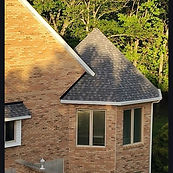
One of the best exterior upgrades for energy savings is replacing an aging roof with modern shingles and a complete roofing system designed to perform. That means more than just the top layer. Underlayment, flashing, ridge ventilation, and proper installation all affect how the roof handles temperature, moisture, and airflow.
In summer, reflective roofing materials can help reduce heat absorption. In winter, a properly installed roof system supports better attic performance and helps prevent moisture issues that can reduce insulation effectiveness. The trade-off is upfront cost. A roof replacement is a major investment, but if your current roof is worn, storm-damaged, or poorly ventilated, patchwork repairs may only delay the bigger problem.
2. Attic ventilation improvements
Homeowners often think insulation is the whole story, but ventilation matters just as much. If your attic cannot release excess heat and moisture, your home becomes harder to heat and cool efficiently.
Balanced intake and exhaust ventilation helps regulate attic temperatures and reduce moisture buildup. In winter, poor ventilation can contribute to condensation and ice dam issues. In summer, trapped heat in the attic can make your entire house harder to cool.
This is one of those upgrades where it depends on the home. Some houses have enough vents but the wrong layout. Others have blocked soffits, too little intake, or ventilation systems added over time without a clear plan. A strong exterior contractor should look at the full roof and attic system, not guess from the ground.
3. New siding with an insulated wall system
Old, cracked, warped, or loose siding does more than hurt curb appeal. It can allow air intrusion and moisture problems that make your home less efficient and less comfortable.
Replacing siding can be one of the best exterior upgrades for energy savings when it includes a proper weather-resistive barrier and, where appropriate, insulated backing or added wall insulation improvements. Modern siding systems help create a stronger envelope around the home, reducing drafts and helping interior temperatures stay more consistent.
For Northeast Ohio homeowners, durability matters just as much as insulation value. You need siding that can stand up to wind, rain, snow, and temperature swings without breaking down early. The cheapest option is not always the most cost-effective one if it leads to repairs, warping, or poor energy performance a few seasons later.
4. Air sealing around exterior problem areas
Not every energy-saving exterior project requires full replacement. Sometimes the biggest gains come from fixing the weak points where air leaks in and out.
Common trouble spots include roof penetrations, trim gaps, wall intersections, attic access areas, exhaust vent connections, and places where older exterior materials have shifted over time. These issues are easy to miss because they do not always look serious from the curb. Inside the home, though, they can show up as cold rooms, uneven temperatures, and higher utility bills.
This kind of work is especially valuable after storm exposure. Wind-driven rain and repeated freeze-thaw cycles can widen small failures over time. A careful inspection can catch these problems before they become expensive structural repairs.
5. Gutter and drainage upgrades that protect efficiency
Gutters are not usually the first thing people think about when discussing energy savings, but they play a bigger role than many homeowners expect. If water is not being moved away from the roofline, siding, and foundation correctly, moisture damage can undermine insulation, weaken exterior materials, and create hidden performance problems.
A properly designed gutter system helps protect the home’s envelope. That means fewer moisture-related issues in fascia, soffits, wall assemblies, and foundation areas. Once insulation gets wet or exterior materials start to deteriorate, energy performance can drop fast.
The key is not just having gutters. It is having gutters sized, pitched, and installed correctly for your roofline and local weather conditions. In storm-heavy parts of Northeast Ohio, undersized or failing gutters can quickly turn into a larger home protection issue.
6. Soffit and fascia replacement
Soffit and fascia work is often overlooked because homeowners focus on roofs and siding first. But these components support both ventilation and moisture protection, which directly affect energy performance.
Damaged soffits can restrict proper attic airflow. Rotted fascia can allow water intrusion around the roof edge. When these areas fail, the home can lose efficiency and become more vulnerable to larger structural issues.
If you are already replacing a roof or gutter system, it often makes sense to inspect soffit and fascia at the same time. Bundling this work can be more cost-effective than handling each issue separately after damage spreads.
7. Exterior storm damage repair before energy loss gets worse
After a major storm, many homeowners look for missing shingles or obvious siding damage and stop there. But the more expensive problems are often the ones that are harder to see at first.
Storm damage can loosen roofing components, open gaps around flashing, compromise gutter performance, and create entry points for moisture. Those failures may not cause immediate interior leaks, but they can reduce the home’s efficiency and shorten the life of exterior materials.
That is why fast, experienced assessment matters. A strong contractor should not only identify visible damage but also explain how that damage affects performance, energy use, and long-term repair costs. Best Home Exteriors & Consulting works with homeowners who need that kind of practical guidance, especially after severe weather puts the home’s exterior at risk.
How to choose the right energy-saving exterior upgrades
The best project depends on where your home is losing performance now. If your roof is old and your attic runs hot or damp, roofing and ventilation may deliver the biggest return. If your walls feel drafty and your siding is visibly worn, siding replacement may make more sense. If water management is failing, gutters and drainage should move up the list quickly.
Age matters too. A 25-year-old roof, original siding, or repeated storm exposure usually points to broader exterior wear rather than one isolated issue. Budget matters as well. Some homeowners are ready for a full replacement project, while others need to prioritize the most urgent weak points first.
The smartest move is to treat the exterior as a system. Roofing, siding, gutters, ventilation, and moisture control all work together. If one part fails, the rest of the house has to compensate.
What Northeast Ohio homeowners should watch for
Local weather puts extra pressure on every exterior surface. Snow and ice can stress the roofline. Summer humidity can magnify ventilation issues. Wind-driven rain can find openings around aging trim, siding, and flashing. Freeze-thaw cycles can turn minor cracks into larger failures.
That is why energy-saving upgrades here should never be chosen on price alone. You want materials that hold up, installation that is done right, and a contractor who understands what homes in this region actually face. Real savings come from work that lasts.
If your home feels harder to heat, harder to cool, or simply less comfortable than it used to, the answer may be outside. The right exterior upgrade does more than lower energy waste. It helps your home stay stronger, drier, and more dependable through every season.


This was a helpful guide for homeowners planning to upgrade their heating equipment. Working with experienced professionals for heater installation near me can make the entire process smoother while ensuring the system is properly sized for the home and local climate.