







.jpg)
.jpg)
Roof Replacement Timeline for Homeowners
A roof problem rarely shows up at a convenient time. It usually starts with a stain on the ceiling, missing shingles after a Northeast Ohio storm, or that uneasy feeling when your roof is simply getting too old to trust. If you are trying to understand the roof replacement timeline for homeowners, the short answer is this: some jobs move from inspection to completion in a couple of weeks, while others take longer because of weather, materials, insurance, or the condition of the home.
That matters because timing affects everything - cost, planning, family routine, and how much risk you are taking by waiting. A roof replacement is not just another home project. It is protection for your house, your budget, and everyone living under it.
What the roof replacement timeline for homeowners usually looks like
Most homeowners want one simple number. How long does it take? For many residential projects, the on-site roof replacement itself can often be completed in one to three days. But the full timeline is usually longer than the tear-off and installation. From first inspection to final walkthrough, a realistic window can range from one to six weeks.
That wide range is not a sales dodge. It is the truth. A straightforward asphalt shingle replacement on a home with no hidden damage moves faster than a large roof with multiple layers, structural issues, or specialty materials. If storm damage is involved, insurance review can add time. If bad weather rolls through Northeast Ohio, the schedule may need to shift.
Step 1: Inspection and estimate
The process starts with a professional inspection. This usually takes one visit, and in many cases it can be scheduled quickly. During that visit, the contractor checks the roof surface, flashing, ventilation, decking concerns, leak areas, and any storm-related damage.
For the homeowner, this is where the timeline becomes real. You find out whether you need minor repairs, a full replacement, or an insurance-supported claim review. A written estimate often follows soon after, sometimes the same day and sometimes within a few business days depending on the scope of the project.
If your roof has obvious wind or hail damage, this stage should happen as soon as possible. Waiting can turn one issue into three. Water intrusion does not stay neatly contained, and what starts on the roof can affect insulation, drywall, and even framing.
Step 2: Choosing materials and signing off
Once you decide to move forward, the next phase is material selection and project approval. For many homes, this part moves quickly. Homeowners choose shingle color, review warranty options, confirm ventilation upgrades if needed, and approve the final scope.
This can take a day or two if you are ready to decide. It can also stretch longer if you are comparing products, reviewing financing, or coordinating with insurance. There is no wrong pace here, but long delays can leave your home exposed if the current roof is failing.
For Northeast Ohio homes, material choice is not just about appearance. It is about performance in heavy rain, snow, ice, freeze-thaw cycles, and high winds. A dependable contractor should guide you toward products that make sense for this climate instead of pushing whatever is easiest to install.
Step 3: Scheduling and ordering materials
After approval, your contractor schedules the work and orders materials. On a simple project with common shingle colors in stock, this may happen fast. On projects involving specialty products or busy seasonal demand, it can take longer.
Spring through fall is typically the busiest roofing season. That means timelines can tighten or stretch depending on demand. After a major storm event, schedules fill up even faster because many homeowners need inspections at the same time.
This is also where permits may come into play, depending on local requirements. A reliable contractor handles that process and keeps the project moving. Homeowners should not be left guessing about what has been filed, ordered, or scheduled.
Step 4: Preparing your home for roof day
The actual replacement may only take a day or two, but prep matters. Before installation starts, homeowners may need to move vehicles, clear the driveway, protect fragile items on walls or shelves, and secure outdoor furniture or decorations around the house.
Roof work is loud. There will be movement, debris removal, and material delivery. For families with young kids, pets, or anyone working from home, this part of the roof replacement timeline for homeowners is worth planning for in advance.
Good crews do not just show up and start tearing things apart. They protect landscaping where possible, set up debris management, and make sure the property is ready for efficient work. That kind of planning saves time and reduces headaches.
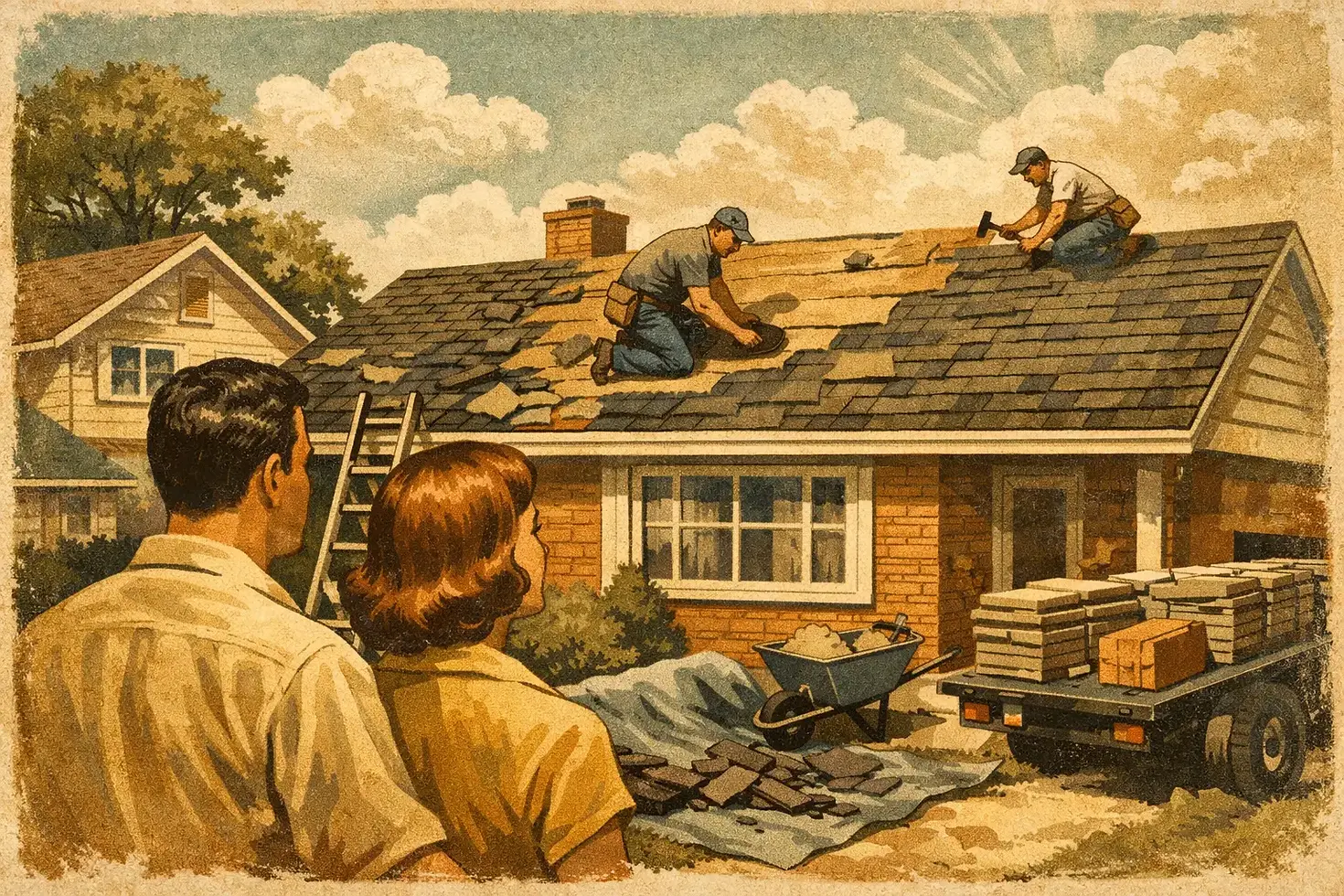
Step 5: Tear-off and inspection of the roof deck
This is where the visible work begins. The old roofing material is removed so the crew can inspect the decking underneath. If the wood structure is in good condition, the project keeps moving. If rot, soft spots, or moisture damage is found, repairs need to happen before the new roof goes on.
This is one of the biggest reasons timelines vary. Homeowners often ask for an exact completion date before tear-off, but no honest contractor can guarantee there will be no hidden damage under an aging roof. What matters is finding those issues and fixing them the right way.
It is better to add a little time to the project than to install a brand-new roof over a weak foundation. Fast is good. Right is better.
Step 6: Installation of the new roofing system
Once the deck is ready, the crew installs the underlayment, flashing, ventilation components, drip edge, and shingles or other roofing materials. On many standard homes, this can be done in one day. Larger or more complex roofs may take two or three days.
Complexity makes a big difference here. Steep pitches, multiple valleys, chimneys, skylights, and dormers all require more detail work. Weather also matters. Roofing crews can work efficiently, but safety comes first. Rain, strong wind, and severe temperature swings may pause the job.
That is especially true in Northeast Ohio, where weather can change quickly. An experienced local contractor knows how to schedule around the forecast, protect the home if a delay happens, and avoid cutting corners just to claim a fast turnaround.
Step 7: Cleanup and final walkthrough
A professional roof replacement does not end when the last shingle is nailed down. Cleanup is part of the job. That includes hauling away debris, sweeping for nails with magnets, clearing gutters if needed, and checking the property carefully.
The final walkthrough gives the homeowner a chance to review the completed work, ask questions, and understand the warranty and maintenance expectations. This part usually happens the same day as completion or shortly after.
If a contractor rushes past cleanup or communication, that is a red flag. Homeowners deserve clear answers, a clean property, and confidence that the job was done with care.
What can slow the timeline down
Some delays are avoidable. Others are simply part of the reality of roofing. Weather is the most obvious factor in Ohio. Material availability can also affect timing, especially if you choose a specific product line or color. Insurance paperwork may create another layer of waiting if storm damage is involved.
Then there is the condition of the home itself. Older roofs may have multiple layers to remove. Decking may need replacement. Ventilation may need upgrades to meet current best practices. None of those issues mean the project is off track. They just mean the timeline needs to reflect the real condition of the roof, not a best-case guess.
How homeowners can keep the project moving
The best way to avoid unnecessary delays is to act early. Do not wait until a small leak becomes interior damage. Schedule an inspection when you notice missing shingles, granule loss, sagging areas, storm impact, or signs of age.
It also helps to make decisions promptly once you have a clear estimate. Choose materials, review scheduling details, and ask questions early rather than on installation day. If insurance is part of the process, stay organized with documents and communication.
Most of all, choose a contractor who knows the local climate, respects your property, and tells you the truth about timing. At Best Home Exteriors & Consulting, that means giving homeowners a realistic plan, quality workmanship, and the kind of dependable service that stands up to Northeast Ohio weather.
A roof replacement is a big job, but it should never feel like a mystery. When you know the stages, the possible delays, and what solid project management looks like, you can move forward with a lot more confidence. The right roof, installed at the right time, gives you more than a finished project. It gives you one less thing to worry about when the next storm rolls in.


Comments